
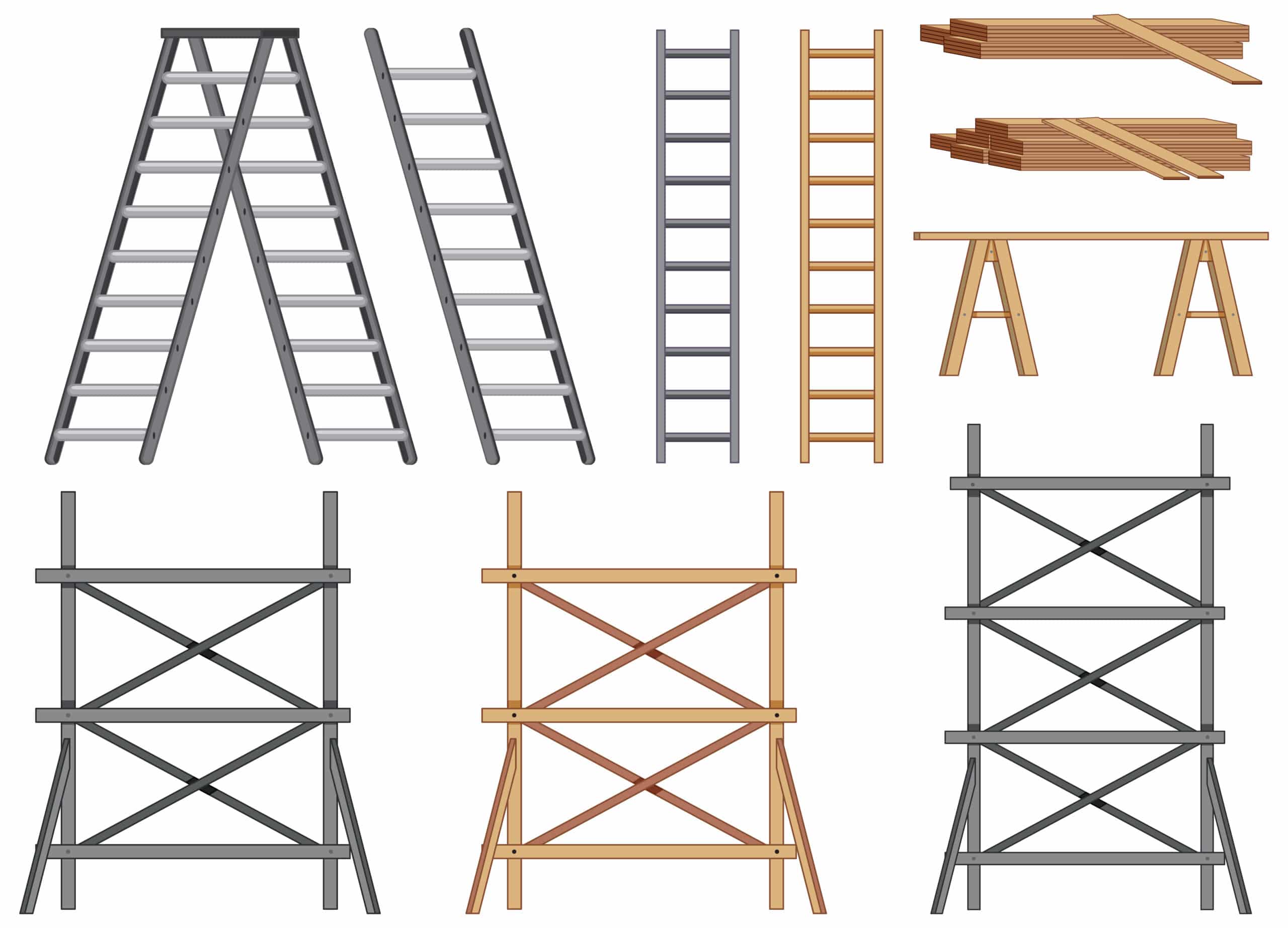

Types of Ladders: A Complete Guide to Choosing the Right Ladder
When it comes to working at height, choosing the right ladder isn’t just about convenience, it’s about safety. Whether you’re painting a room, cleaning gutters, fixing a roof, or working on a construction site, understanding the types of ladders available can help you get the job done efficiently and safely.
In this guide, we’ll walk through the most common types of ladders, what they’re used for, and how to choose the right one for your needs.
- Step Ladders
Step ladders are probably the most familiar type of ladder. They’re the classic A-frame design that can stand on their own without needing to lean against a wall.
They’re great for indoor tasks like painting, changing light fixtures, or reaching high shelves. Most step ladders have a small platform at the top (though you shouldn’t stand on the very top unless it’s designed for that purpose).
These ladders usually range from 3 to 12 feet in height. If you’re doing electrical work, a fiberglass step ladder is a safer choice because it doesn’t conduct electricity.
- Extension Ladders
Extension ladders are designed for reaching higher areas. Unlike step ladders, they must lean against a stable surface like a wall or roofline.
They’re made up of two or more sections that slide to extend the height. Many use a rope and pulley system to adjust them.
Extension ladders are ideal for:
- Roof access
- Exterior painting
- Gutter cleaning
- Construction work
When using an extension ladder, it’s important to follow the 4:1 rule, for every 4 feet of height, the base should be placed 1 foot away from the wall.
- Multi-Position Ladders
Multi-position ladders (sometimes called articulating ladders) are incredibly versatile. They can be adjusted into different shapes and positions, allowing them to function as a step ladder, extension ladder, or even a small scaffold.
They’re especially useful for homeowners or contractors who want one ladder that can handle multiple jobs. They’re also great for uneven surfaces since the legs can often be adjusted independently.
The main benefit of this type of ladder is flexibility, instead of buying several ladders, you can rely on one adaptable option.
- Platform Ladders
Platform ladders are similar to step ladders but offer a larger standing area at the top. Many include guardrails for extra support and stability.
They’re a great choice for jobs that require standing for longer periods. For example:
- Warehouse picking
- Commercial maintenance
- Retail stock work
- Painting large walls
Because they provide a wider, more stable platform, they help reduce fatigue and increase comfort during longer tasks.
- Telescoping Ladders
Telescoping ladders are compact and highly portable. They extend upward when needed and collapse down into a much smaller size for storage.
These ladders are perfect for people who have limited storage space or need something easy to transport. They’re often used by:
- RV owners
- Apartment dwellers
- Handymen
- DIY enthusiasts
While convenient, it’s important to regularly check the locking mechanisms to ensure each section is fully secured before climbing.
- Straight Ladders
A straight ladder is a single-section ladder that leans against a structure. Unlike extension ladders, it doesn’t adjust in height.
They’re simple, lightweight, and commonly used for straightforward outdoor jobs. However, since they don’t extend, you’ll need to choose the correct height from the start.
Straight ladders are often used in construction and exterior maintenance.
- Folding Ladders
Folding ladders are compact and designed for easy storage. Some are permanently installed, like attic ladders that fold into the ceiling. Others are portable and can be folded for transport.
They’re practical for:
- Attic access
- Small storage areas
- Temporary setups
Their main advantage is convenience and space-saving design.
Ladder Materials: What They’re Made Of
When looking at different types of ladders, material is just as important as design.
Aluminum
Aluminum ladders are lightweight and resistant to rust. They’re easy to move around, which makes them popular for general use. However, they conduct electricity, so they’re not ideal for electrical work.
Fiberglass
Fiberglass ladders are strong and non-conductive, making them a safer option for electricians or anyone working near power lines. They’re slightly heavier than aluminum but offer extra durability.
Wood
Wooden ladders are traditional and sturdy. They don’t conduct electricity (as long as they’re dry and clean), but they can be heavier and require more maintenance.
Understanding Duty Ratings
All ladders come with duty ratings that indicate how much weight they can safely support, including the user and their tools.
- Type III – Light duty (200 lbs)
- Type II – Medium duty (225 lbs)
- Type I – Heavy duty (250 lbs)
- Type IA – Extra heavy duty (300 lbs)
- Type IAA – Industrial (375 lbs)
It’s always safer to choose a ladder rated for more weight than you expect to carry.
Safety Tips for All Types of Ladders
No matter which type of ladder you choose, safety should always come first.
- Inspect your ladder before each use
- Make sure it’s set up on stable, level ground
- Maintain three points of contact while climbing
- Don’t overreach, climb down and reposition instead
- Never exceed the ladder’s weight limit
- Wear slip-resistant shoes
- Avoid standing on the top rung unless it’s designed as a platform
Small mistakes at height can lead to serious injuries, so taking a few extra seconds to set up properly makes a big difference.
How to Choose the Right Ladder
If you’re unsure which of the types of ladders is right for you, ask yourself a few simple questions:
- How high do I need to reach?
- Will I be working indoors or outdoors?
- Do I need the ladder to stand on its own?
- How much storage space do I have?
- What weight will it need to support?
For indoor projects, a step ladder or platform ladder is often enough. For outdoor repairs or roofing, an extension ladder is usually the better choice. If you want versatility, a multi-position ladder might be the smartest investment.
Final Thoughts
There are many different types of ladders, and each one serves a specific purpose. Choosing the right ladder isn’t just about height, it’s about safety, comfort, and practicality.
By understanding the various types of ladders available, you can make a more informed decision and reduce the risk of accidents. Whether you’re a DIY homeowner or a professional contractor, the right ladder will make your work easier, safer, and more efficient.